
Mastering the Art: Essential Business Etiquette in Singapore

Business etiquette in Singapore is crucial for fostering successful professional relationships and navigating the country's unique corporate landscape. Understanding local customs, communication styles, and cultural sensitivities is key to making a positive impression and achieving your business objectives in this vibrant city-state.
Quick Answer:
- Singapore's business culture blends Western efficiency with Asian traditions.
- Punctuality, respect for hierarchy, and indirect communication are highly valued.
- Proper handling of business cards (name cards) is essential.
- Professional attire and a focus on group harmony define meeting dynamics.
- Gift-giving is common, often after a deal is secured.
Table of Contents
- Understanding Singapore's Multicultural Context
- Greetings and Introductions: The First Impression
- The Handshake and Bow
- Addressing Individuals: Names and Titles
- Business Card Protocol: Exchanging and Handling Name Cards
- Meeting Dynamics: From Punctuality to Decision-Making
- The Importance of Punctuality
- Dress Code: Professionalism Reinvented
- Communication Styles: Direct Yet Respectful
- Group Harmony and Consensus
- Dining Etiquette: Business Meals and Socialising
- Table Manners and Hosting
- Toasting and Offering Food
- Gift-Giving in a Business Context
- General Cultural Sensitivity and Taboos
- Seamless Corporate Journeys with SG Maxi Limo
- Frequently Asked Questions
- Conclusion
Understanding Singapore's Multicultural Context
Singapore's business culture is a unique tapestry woven from its diverse ethnic groups: Chinese, Malay, Indian, and Eurasian, alongside a significant expatriate community. This multicultural context means interactions often blend Western efficiency with traditional Asian values. While English is the primary language of business, understanding the underlying cultural nuances is paramount. For example, concepts like "face" (mianzi in Mandarin), which relates to reputation, dignity, and prestige, significantly influence business dealings, particularly among the Chinese community. A 2023 study by the Singapore Department of Statistics confirmed that the resident population comprises 73.6% Chinese, 13.6% Malay, and 9.1% Indian, highlighting the importance of respecting diverse backgrounds.
Greetings and Introductions: The First Impression
First impressions are crucial in Singaporean business culture, setting the tone for future interactions. Proper greetings and introductions demonstrate respect and cultural awareness, which are highly valued.
The Handshake and Bow
The most common greeting in Singaporean business settings is a handshake. This applies across all ethnic groups and genders. Handshakes should be firm but not overly powerful, maintaining eye contact. While less common than a handshake in a formal business context, a slight bow may accompany or follow a handshake, especially when greeting older individuals or those in positions of high authority, particularly within Chinese or Japanese-influenced companies. It signifies a deeper level of respect.
Addressing Individuals: Names and Titles
Always begin by addressing individuals formally, using their title (Mr., Ms., Dr., Professor) followed by their surname. Wait for an invitation to use first names. In companies with a strong Chinese influence, individuals might introduce themselves with their family name first, followed by their given name (e.g., Tan Ah Beng). If unsure, politely ask, "How would you prefer to be addressed?" This shows thoughtfulness. For example, a common practice is to use "Mr. Tan" or "Ms. Lee." In some Western-leaning companies, direct first-name usage is more prevalent, but it's safer to start formally.
Business Card Protocol: Exchanging and Handling Name Cards
Business cards, or name cards, are deeply ingrained in Singaporean business etiquette, reflecting respect and formality. The exchange of business cards is not just a formality but a ritual.
When exchanging cards:
- Always present and receive a business card with both hands, holding it by the top corners.
- Ensure your card is oriented so the recipient can read it immediately.
- Upon receiving a card, take a moment to read it carefully and acknowledge the person's name and title. Do not immediately put it away.
- Place the received card respectfully on the table in front of you during a meeting, rather than directly into a pocket or wallet. This shows you value the individual and their position.
- Never write on someone's business card in their presence.
- Carry a good supply of your own cards, ensuring they are clean and crisp.
Key Insight: The proper handling of business cards is a non-verbal cue that communicates your respect for the individual and their professional standing. Mishandling a card can inadvertently convey disrespect.
Meeting Dynamics: From Punctuality to Decision-Making
Singaporean business meetings are typically structured and efficient, emphasizing professionalism in all aspects. Understanding these dynamics contributes to productive outcomes.
The Importance of Punctuality
Punctuality is not just a courtesy; it is a fundamental expectation in Singaporean business culture. Arriving on time demonstrates discipline, respect for others' time, and reliability. Being late, even by a few minutes, can be interpreted as a lack of professionalism and can negatively impact your reputation. If an unavoidable delay occurs, notify the relevant parties as soon as possible, offering a sincere apology. Business meetings often start precisely at the scheduled time.
Dress Code: Professionalism Reinvented
The dress code in Singaporean business environments is generally conservative and professional. For men, a business suit (often a jacket with trousers, sometimes with a tie, though ties are becoming less common in daily wear due to the tropical climate) or a long-sleeved shirt with trousers is standard. For women, business suits, smart dresses, or blouses with skirts/trousers are appropriate. Modesty is key; avoid overly revealing or casual attire. While Singapore's weather is hot and humid, maintaining a polished appearance is critical. Many executives opt for good quality, light-fabric shirts and trousers.
Communication Styles: Direct Yet Respectful
While Singaporeans appreciate directness and clarity, especially concerning business proposals and facts, communication is often tempered with a strong emphasis on politeness, diplomacy, and saving face. Indirect communication may be used to convey criticism or negative feedback to avoid causing embarrassment. Avoid confrontational language or overly aggressive negotiation tactics. Listen more than you speak, and pay attention to non-verbal cues. Silence during discussions can indicate contemplation, not disagreement.
Group Harmony and Consensus
Decision-making in Singaporean companies, particular those with a strong Asian influence, often prioritizes group harmony and consensus-building. Decisions may take longer as various stakeholders are consulted to ensure broad agreement. Individual achievements are recognized, but collaboration and team success are highly valued. Avoid openly disagreeing with a senior colleague in front of others; instead, find a private moment to offer alternative perspectives respectfully. Presenting ideas in a way that benefits the entire group or company can be more effective than focusing solely on personal gain.
| Feature | Western Business Culture (General) | Singaporean Business Culture (General) |
|---|---|---|
| Communication | Often direct, explicit | Direct but often tempered with politeness, indirect to save face |
| Decision-Making | Individualistic, quicker, top-down or bottom-up | Consensus-driven, slower, considers group harmony and hierarchy |
| Punctuality | Important to arrive on time | Essential, lateness is highly disrespectful |
| Hierarchy | Less rigid, flatter structures common | Respect for hierarchy is paramount, formal titles used |
| Networking | Often informal, focused on personal connections | Formal and informal, building long-term relationships (guanxi) is key |
Dining Etiquette: Business Meals and Socialising
Business meals in Singapore are opportunities to build rapport and strengthen relationships, often extending beyond the immediate business discussion. Understanding local dining etiquette is crucial.
Table Manners and Hosting
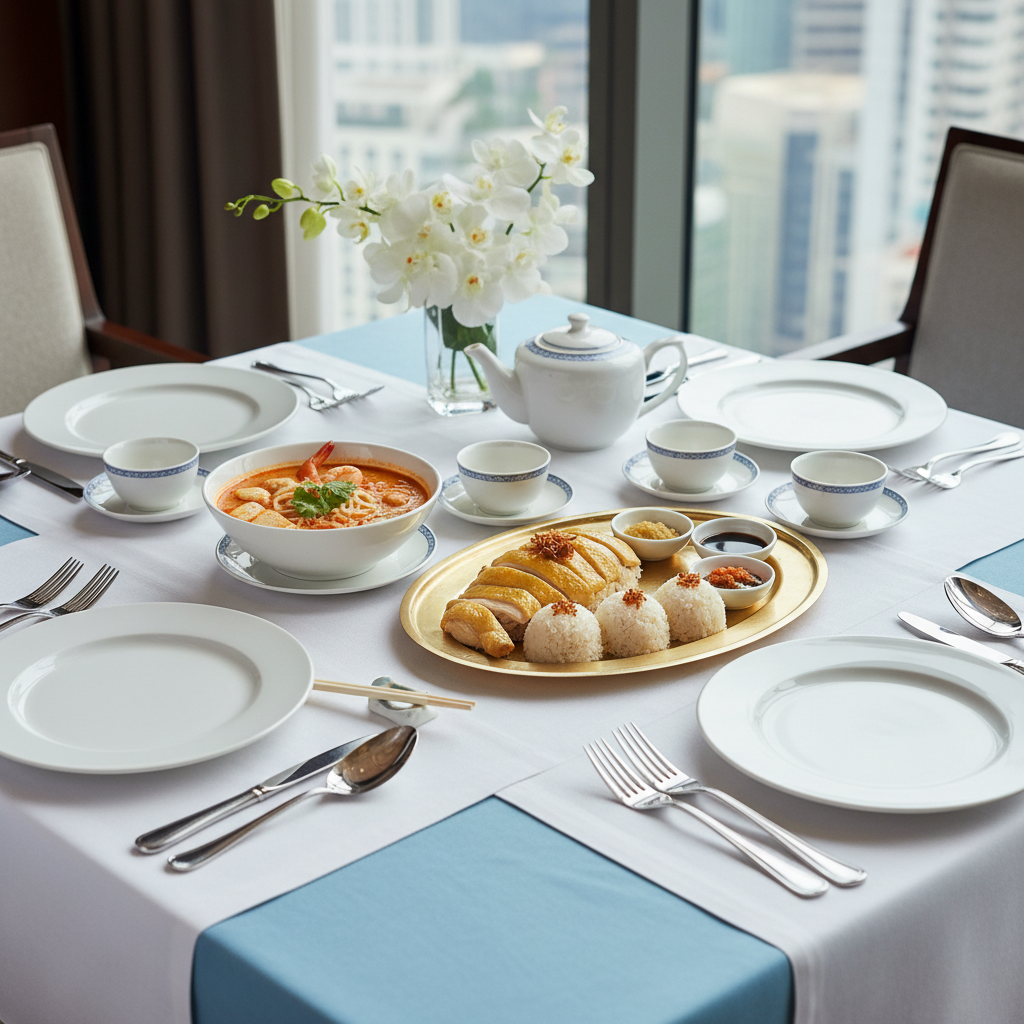
When invited to a business meal, the host typically orders the food and drink. Wait for the host to seat you and begin eating. Generally, observe what your host does and follow suit. In Chinese dining, dishes are often shared communally. Do not stick chopsticks upright in your rice bowl, as this resembles incense sticks offered to the deceased. When using chopsticks, rest them on the chopstick rest provided, or across the top of your bowl. Eating with your mouth open or talking with food in your mouth is considered impolite.
Toasting and Offering Food
Toasts are common at business dinners, particularly with alcoholic beverages like beer or wine, or even soft drinks like fresh juices. When a toast is made, raise your glass and clink it lightly with others, usually starting with the most senior member. It is polite to offer food to others at the table, especially more senior individuals, before serving yourself. Similarly, if someone offers you food, accept it courteously, even if you only take a small portion. Refusing food outright can be seen as impolite.
Gift-Giving in a Business Context
Gift-giving is an established part of Singaporean business culture, particularly when seeking to build long-term relationships or as a gesture of appreciation after a successful deal. However, it requires careful consideration to avoid perceptions of bribery.
- When to give: Gifts are typically exchanged at the end of a successful negotiation or as a token of thanks after a useful meeting, rather than at the initial introduction.
- What to give: Modest, high-quality gifts from your home country (e.g., local delicacies, a book about your country's heritage, quality stationery) are usually well-received. Avoid overly expensive gifts, which could cause discomfort.
- Presentation: Gifts are often wrapped nicely. Present and receive gifts with both hands. It is common for the recipient to initially decline the gift out of politeness before accepting, so insist gently.
- Acceptance: Do not open a gift immediately in front of the giver unless prompted to do so. This applies when receiving a gift as well.
Key Insight: While gift-giving can strengthen bonds, always be aware of company policies on accepting gifts and local anti-bribery laws. Transparency and modesty are paramount to maintaining ethical business practices.
General Cultural Sensitivity and Taboos
Beyond specific business interactions, demonstrating cultural sensitivity in Singapore involves understanding broader societal norms.
- Respect for Elders: Always show deep respect for older individuals, whether in a business or social setting.
- Religion: Singapore is a secular state with religious freedom, but respect for all faiths (Buddhism, Islam, Christianity, Hinduism, Sikhism) is essential. Avoid discussing religion irreverently or making assumptions. For example, during Ramadan, Muslim colleagues may be fasting.
- Public Decorum: Chewing gum is largely prohibited, littering is heavily fined (e.g., S$300 for a first-time offense), and public displays of affection are generally frowned upon. Queue jumping is also considered highly impolite.
- Feet and Head: In some Asian traditions, the head is considered sacred, and feet are considered unclean. Avoid pointing your feet at anyone or touching someone's head.
- Politics: While Singapore has a stable political environment, it is generally best to avoid discussing local politics unless specifically invited to do so by a close Singaporean contact.
- Cleanliness and Order: Singapore prides itself on its cleanliness, order, and efficient public services. Appreciate these aspects and contribute to maintaining them.
Seamless Corporate Journeys with SG Maxi Limo
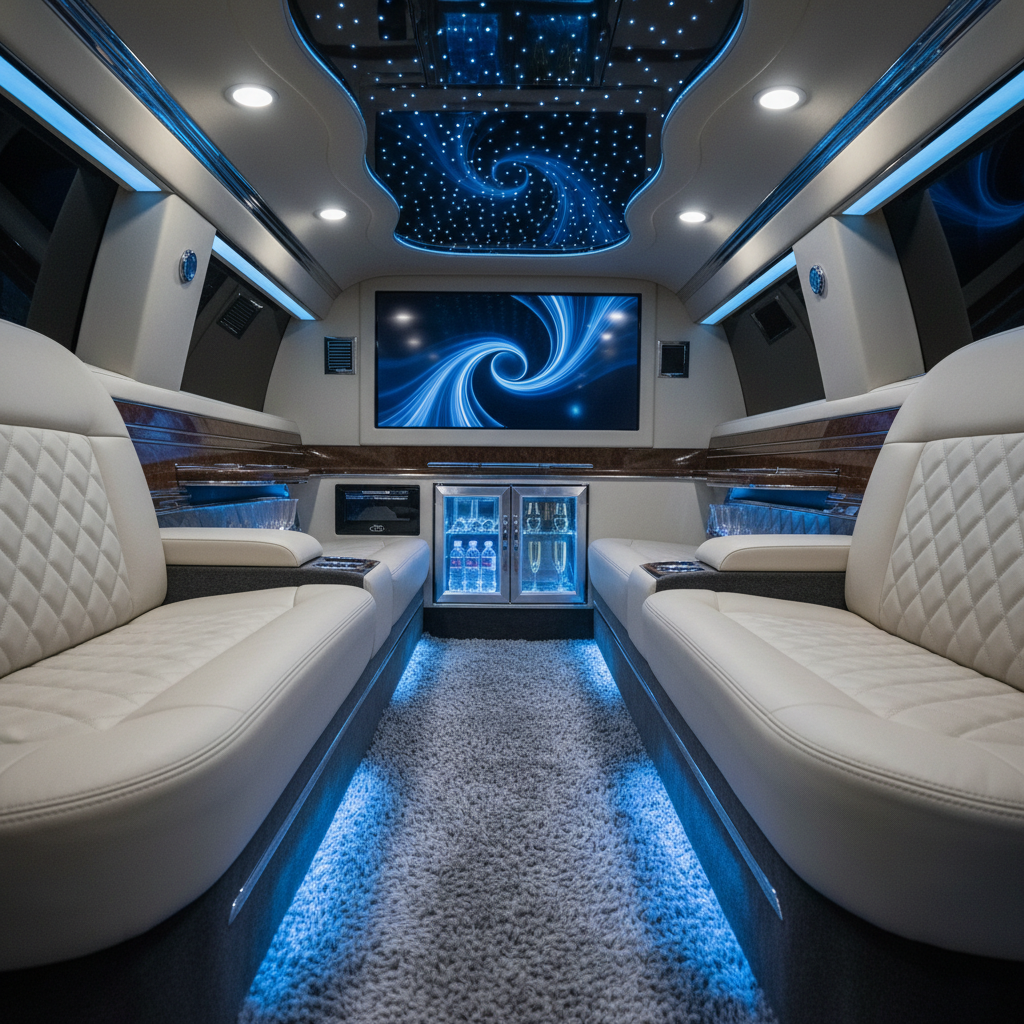
In a bustling city like Singapore, efficient and reliable transportation is paramount for maintaining the stringent punctuality expected in business circles. Professional transport services like those offered by SG Maxi Limo ensure that you arrive at your meetings, corporate events, or airport transfers punctually and in comfort.
Booking a dedicated maxicab or limousine service provides several advantages:
- Punctuality: Drivers are well-versed in Singapore's road network, traffic patterns, and the optimal routes to ensure timely arrivals.
- Professional Image: Arriving in a premium vehicle such as a 7-seater maxicab, 13-seater minibus, or a VIP Alphard/Vellfire elevates your professional presence.
- Comfort and Privacy: Business discussions can continue without interruption in a quiet, climate-controlled environment, especially beneficial for back-to-back meetings or airport transfers.
- Expert Navigation: Eliminate the stress of navigating unfamiliar routes or parking, allowing you to focus on your business agenda.
- Group Transport: For corporate events or team movements, services like 13-seater minibuses are ideal for ensuring all participants arrive together.
Using a reliable transport provider like SG Maxi Limo aligns with the Singaporean value of efficiency and preparedness, allowing you to focus on mastering business etiquette in Singapore rather than logistical concerns.
Frequently Asked Questions
What is the most important aspect of business etiquette in Singapore?
Punctuality and respect for hierarchy are arguably the most important aspects. Arriving on time demonstrates reliability and respect for others' time, while acknowledging and respecting organizational hierarchy is crucial for building trust and relationships.
Should I bring gifts to initial business meetings in Singapore?
It is generally not advisable to bring gifts to initial meetings. Gifts are typically exchanged after significant progress has been made in a deal, or as a token of appreciation after a successful engagement, rather than as an introductory gesture, to avoid any perception of impropriety.
How should I dress for a business meeting in Singapore's hot climate?
Despite the tropical climate, a conservative and professional dress code is expected. Men typically wear long-sleeved shirts with trousers, and a tie or jacket for more formal occasions. Women should opt for business suits, smart dresses, or blouses with skirts/trousers that are modest and professional. Light, breathable fabrics are recommended.
Is negotiation common in Singaporean business culture?
Negotiation is common, but it is often conducted with a focus on diplomacy, mutual benefit, and preserving "face" for all parties. Aggressive or overly confrontational negotiation styles are generally not well-received. Building rapport and seeking consensus are valued.
What are common conversation topics to avoid in Singapore?
It's generally best to avoid discussing local politics, religion, or sensitive ethnic issues unless you know your counterpart very well and they initiate the topic. Personal comments about physical appearance or overly intrusive questions are also considered inappropriate. Light topics like travel, food, or hobbies are safer.
Why is using both hands important when exchanging business cards?
Using both hands to present and receive business cards (name cards) is a gesture of respect and sincerity. It shows that you value the individual and their professional standing, adhering to a key aspect of Asian business protocol that emphasizes politeness and formality.
Conclusion
Mastering business etiquette in Singapore is an ongoing journey of cultural understanding and reciprocal respect. By embracing punctuality, demonstrating deference to hierarchy, engaging in diplomatic communication, and observing the nuances of gift-giving and dining, you pave the way for strong, lasting professional relationships. Singapore's unique blend of cultures offers a dynamic environment where thoughtful interactions lead to successful ventures. Approaching every interaction with cultural sensitivity and professionalism will ensure your success in the Lion City's competitive yet welcoming business landscape, reinforced by reliable support for your logistical needs such as professional transport.