
Green Journeys: Promoting Sustainability in Transport in Singapore
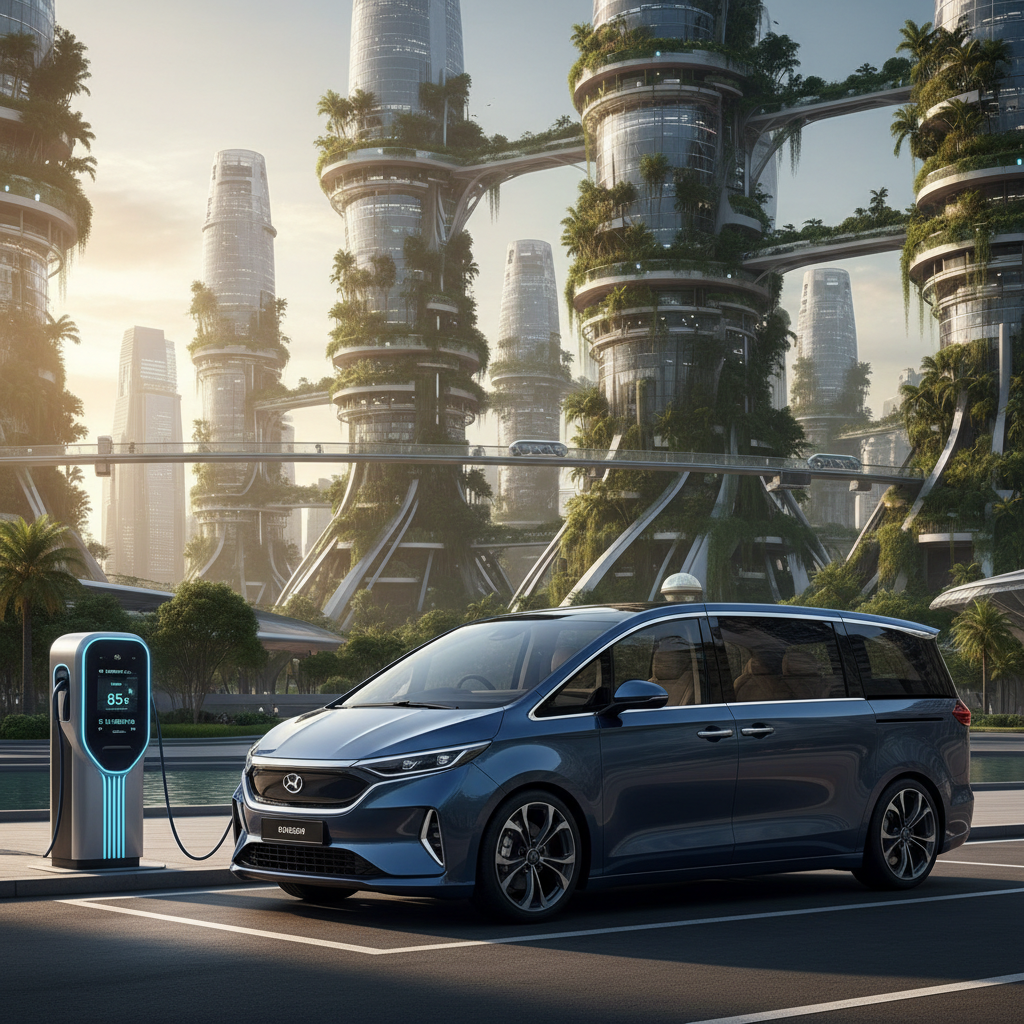
Singapore is actively championing sustainability in transport to create a greener, more efficient, and healthier urban environment. This commitment extends from national policies promoting public transport and electric vehicles to the efforts of private operators like SG Maxi Limo, who are integrating eco-friendly practices into their services. By prioritising sustainable transportation, Singapore aims to reduce its carbon footprint and enhance livability for its residents and visitors.
Quick Answer:
- Sustainability in transport focuses on reducing environmental impact, improving efficiency, and promoting social equity.
- Singapore is aggressively pursuing sustainable urban mobility through public transport, active mobility, and electrification.
- The government actively supports the adoption of electric vehicles (EVs) and expands charging infrastructure.
- Private transport services contribute through fleet upgrades, efficient operations, and embracing cleaner vehicle technologies.
- Travellers can support these efforts by choosing eco-friendly transport options and planning efficient routes.
Table of Contents
- What is Sustainable Transport and Why Does it Matter?
- Singapore's Vision for Sustainable Urban Mobility
- Public Transport: The Backbone of Green Commuting
- Cycling and Walking: Active Mobility Initiatives
- Electric Vehicles and Charging Infrastructure
- Smart Technologies for Efficient Traffic Flow
- The Role of Private Transport Services in Sustainability
- Fleet Modernisation and Fuel Efficiency
- Optimised Routing and Reduced Idling
- Embracing Electric and Hybrid Vehicles: SG Maxi Limo's Commitment
- How Travellers Can Support Sustainable Transport
- Frequently Asked Questions
- Conclusion
What is Sustainable Transport and Why Does it Matter?
Sustainable transport refers to modes of transportation that are environmentally friendly, socially equitable, and economically viable, aiming to meet the mobility needs of the present without compromising the ability of future generations to meet their own needs. It matters because conventional transportation is a significant contributor to air pollution, greenhouse gas emissions, and urban congestion, impacting public health, climate change, and economic productivity. In Singapore, where land is scarce and population density is high, efficient and sustainable transport is critical for maintaining a high quality of life and achieving national climate targets. According to the National Climate Change Secretariat, transport accounts for about 14% of Singapore's total greenhouse gas emissions.
Singapore's Vision for Sustainable Urban Mobility
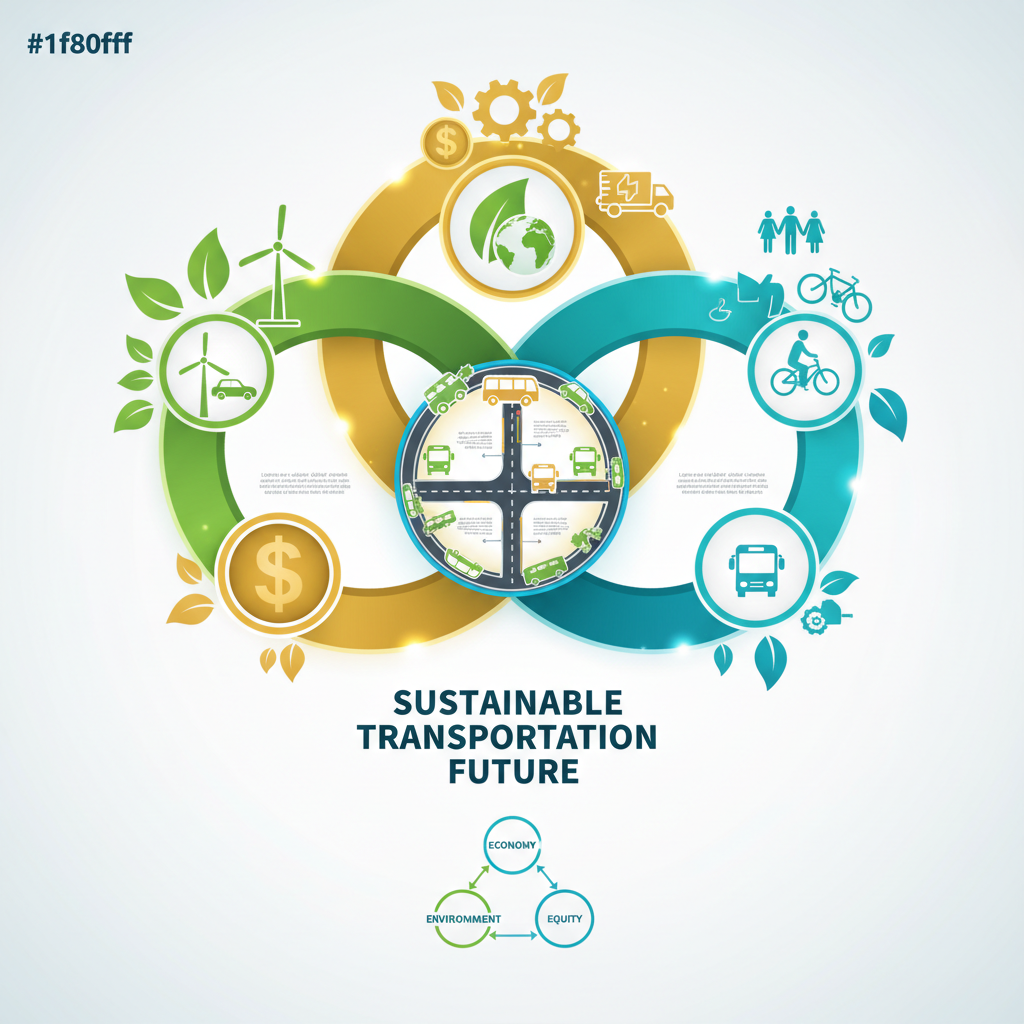
Singapore's vision for sustainable urban mobility is to develop a world-class land transport system that is accessible, efficient, and environmentally friendly. This vision is enshrined in the Singapore Green Plan 2030, which sets ambitious targets for reducing emissions and promoting greener modes of transport. Key strategies include expanding public transport networks, promoting active mobility, accelerating the adoption of electric vehicles, and leveraging smart technologies. The goal is for 85% of all journeys during peak hours to be made on public transport by 2040.
Public Transport: The Backbone of Green Commuting
Public transport, comprising the Mass Rapid Transit (MRT) system, Light Rail Transit (LRT), and public buses, serves as the primary mode of green commuting in Singapore. The government continues to expand and enhance this network, aiming to make 8 in 10 homes within a 10-minute walk of an MRT station by 2030. This extensive network significantly reduces reliance on private vehicles, thereby lowering carbon emissions and alleviating traffic congestion. For instance, a single MRT train can carry the equivalent of multiple buses or hundreds of cars, showcasing its efficiency in moving large numbers of people with minimal environmental impact.
Cycling and Walking: Active Mobility Initiatives
Active mobility encourages cycling and walking as integral parts of daily commutes, contributing to both environmental sustainability and public health. Singapore is investing heavily in creating a conducive environment for these modes, with extensive cycling path networks, wider pedestrian walkways, and improved connectivity. The National Cycling Plan aims to expand the cycling path network to 1,300 km by 2030, encouraging more residents to choose bikes or their own two feet for shorter journeys. This initiative often includes end-of-trip facilities like bicycle parking and showers at workplaces.
Electric Vehicles and Charging Infrastructure
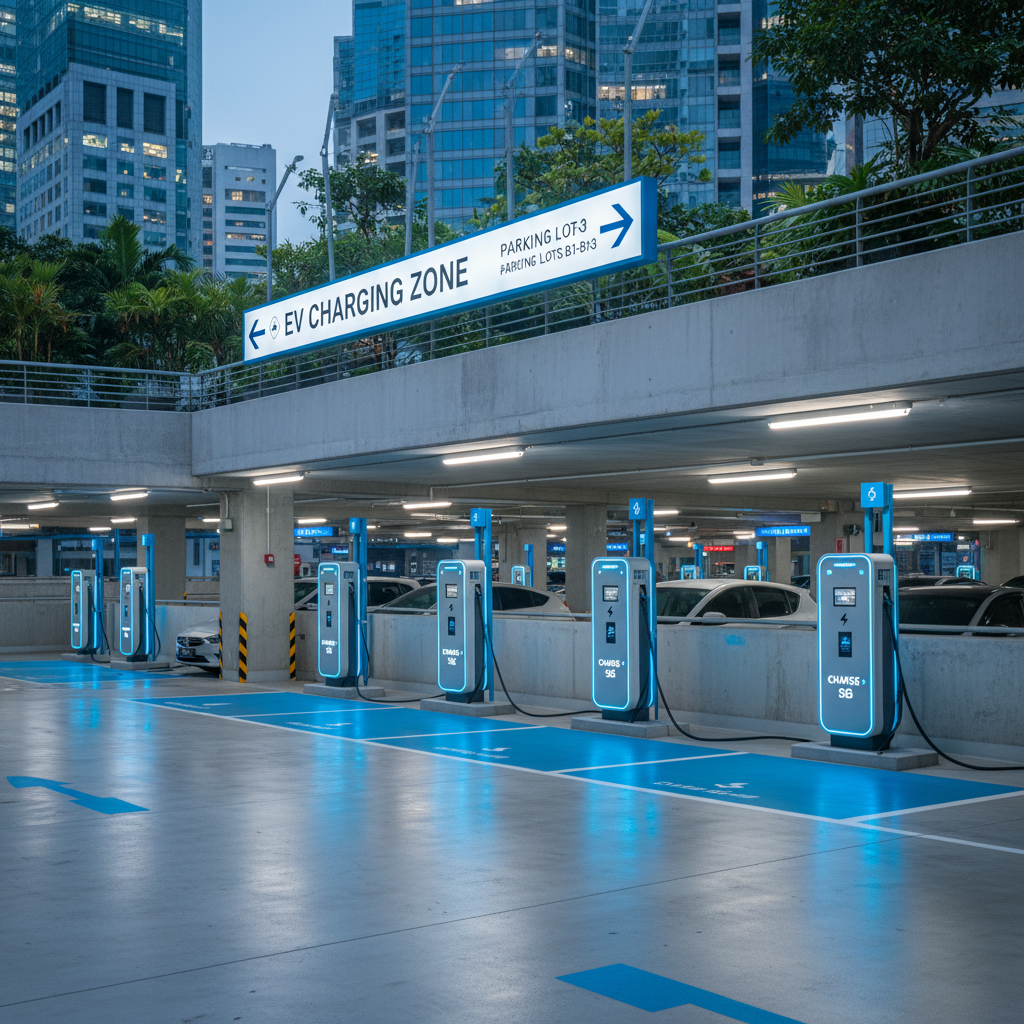
The transition to electric vehicles Singapore is a cornerstone of the nation's sustainability efforts in transport. The government has set a target for all new car registrations to be cleaner energy models from 2030, with a complete phase-out of internal combustion engine vehicles by 2040. To support this, Singapore is rapidly building out its EV charging infrastructure, aiming for 60,000 charging points across the island by 2030. This includes public charging points in carparks and private developments. Incentives such as the Electric Vehicle Early Adoption Incentive (EEAI) provide rebates to buyers of new electric cars, making them more accessible.
Smart Technologies for Efficient Traffic Flow
Singapore leverages advanced smart technologies to optimise traffic flow and reduce congestion, which in turn leads to lower fuel consumption and emissions. These technologies include intelligent traffic lights that adapt to real-time traffic conditions, GPS-based fleet management systems for public buses, and predictive analytics for traffic patterns. The Land Transport Authority (LTA) uses sophisticated sensors and data analytics to manage road networks, respond to incidents swiftly, and inform commuters, all contributing to a more efficient and sustainable transport ecosystem.
Key Insight: Singapore's integrated approach to sustainable transport, combining policy, infrastructure, and technology, effectively positions it as a global leader in urban mobility solutions that prioritise environmental stewardship. This multi-pronged strategy creates synergies where different initiatives reinforce each other, leading to a more impactful outcome.
The Role of Private Transport Services in Sustainability
Private transport services, such as ride-hailing and limousine companies, play a crucial role in complementing public transport and enhancing overall mobility. Their adoption of sustainable practices significantly contributes to national environmental goals, especially in an urban setting like Singapore.
Fleet Modernisation and Fuel Efficiency
Many private transport services are actively engaged in fleet modernisation, replacing older, less efficient vehicles with newer models that offer improved fuel efficiency or are powered by cleaner energy sources. This directly translates to a reducing carbon footprint. Modern vehicles often incorporate advanced engine technologies, lighter materials, and aerodynamic designs that consume less fuel for the same distance travelled. Regulatory frameworks in Singapore, such as emission standards for vehicles, also encourage this transition.
Optimised Routing and Reduced Idling
Advanced optimised routing technologies are now standard for many private transport operators. These systems use real-time traffic data to calculate the most efficient routes, minimising travel time, fuel consumption, and unnecessary mileage. Furthermore, companies are training drivers to adopt practices that reduce idling, such as switching off engines when stationary for extended periods. Reduced idling not only saves fuel but also decreases localised air pollution in areas popular with passengers, like airport terminals and shopping centres.
Drivers can significantly impact fuel consumption through their driving habits:
- Smooth acceleration and braking: Avoiding sudden starts and stops can improve fuel efficiency by up to 30%.
- Maintaining speed limits: Driving at moderate, consistent speeds is more fuel-efficient than aggressive driving.
- Proper tyre inflation: Correctly inflated tyres improve fuel economy and vehicle safety.
- Regular vehicle maintenance: Well-maintained engines perform more efficiently.
Embracing Electric and Hybrid Vehicles: SG Maxi Limo's Commitment
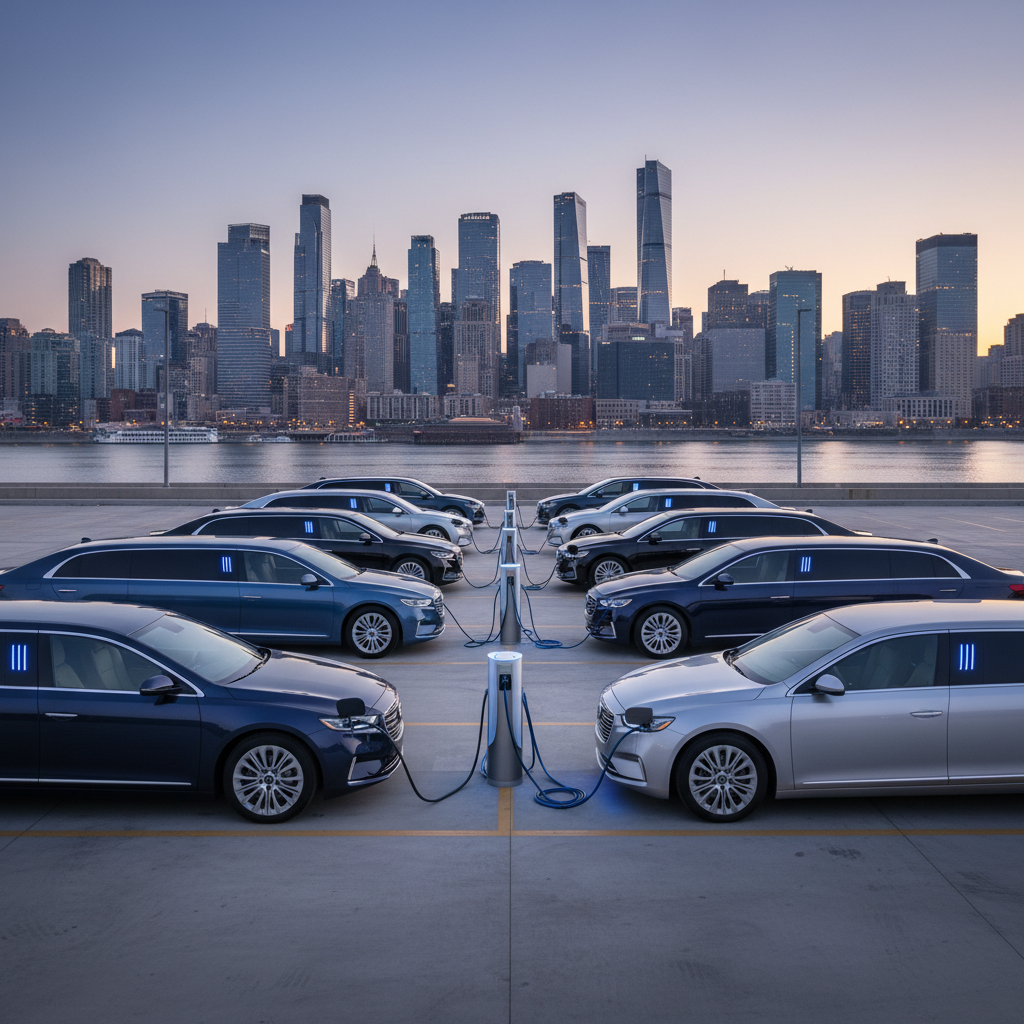
SG Maxi Limo is actively embracing the shift towards electric and hybrid vehicles as part of its commitment to green travel Singapore. By integrating these cleaner options into its fleet, SG Maxi Limo offers passengers an opportunity to choose environmentally conscious transportation without compromising on comfort or reliability. This aligns with Singapore's national move towards a lower-carbon vehicle fleet.
Here’s a comparison of traditional petrol vehicles vs. hybrid/electric vehicles in a professional transport context:
| Feature | Traditional Petrol Vehicle | Hybrid/Electric Vehicle |
|---|---|---|
| Fuel Source | Petrol/Diesel | Electricity (EV) / Electricity + Petrol (Hybrid) |
| Emissions | Direct tailpipe emissions (CO2, NOx, PM) | Zero tailpipe emissions (EV) / Reduced emissions (Hybrid) |
| Noise Level | Engine noise, especially when accelerating | Significantly quieter, especially at low speeds |
| Fuel Cost | Subject to fluctuating fossil fuel prices | Lower operating costs due to cheaper electricity/fuel efficiency |
| Maintenance | More complex engine components, regular oil changes | Fewer moving parts (EV), less frequent maintenance |
| Singapore Incentives | None, potentially higher taxes | EV Early Adoption Incentive, lower road tax |
| Environmental Impact | Higher carbon footprint, air pollution | Significantly lower carbon footprint |
How Travellers Can Support Sustainable Transport
Travellers in Singapore can significantly contribute to sustainability in transport by making informed choices about their transportation options. Every decision, no matter how small, adds up to a larger collective impact.
- Choose Public Transport: Utilise Singapore's excellent MRT and bus network for most journeys. It's often the fastest and most eco-friendly way to get around.
- Opt for Active Mobility: For shorter distances, consider walking or cycling. Singapore's expanding network of park connectors and cycling paths makes this an enjoyable and healthy option.
- Select Eco-Friendly Private Hire Services: When booking a taxi or private hire vehicle, enquire about or choose services that offer hybrid or electric cars. Companies like SG Maxi Limo are increasingly providing these options for a green travel Singapore experience.
- Consolidate Trips: Plan your itinerary efficiently to group multiple errands or visits into a single trip, reducing the number of separate journeys and thus fuel consumption.
- Be Mindful of Idling: If driving your own vehicle or waiting in a private hire car, politely suggest turning off the engine if waiting for an extended period.
- Use Ride-Sharing: Carpooling or using ride-sharing services for private transport reduces the number of vehicles on the road for a given number of passengers.
Key Insight: Travellers' collective choices have a powerful impact on the demand for green transport options. By consciously selecting sustainable alternatives, consumers drive the market towards greater environmental responsibility across the entire transport sector.
Frequently Asked Questions
What are the main benefits of sustainable transport in Singapore?
The main benefits of sustainable transport in Singapore include reduced air pollution, lower greenhouse gas emissions, decreased traffic congestion, improved public health, and enhanced urban livability. It also helps Singapore achieve its national climate targets under the Green Plan 2030.
How is Singapore promoting electric vehicle adoption?
Singapore is promoting electric vehicle adoption through significant financial incentives like the EV Early Adoption Incentive (EEAI), expanding public charging infrastructure with a target of 60,000 charging points by 2030, and setting targets for all new car registrations to be cleaner energy models from 2030.
What is "active mobility" in Singapore?
Active mobility in Singapore refers to modes of transport that involve physical activity, primarily walking and cycling. The government supports this by building extensive cycling path networks, wider pedestrian walkways, and improving connectivity between transport hubs and residential areas.
How do private transport services contribute to reducing carbon footprint?
Private transport services contribute by modernising their fleets with more fuel-efficient or cleaner energy vehicles (like hybrids and EVs), optimising routing to minimise mileage and idle time, and encouraging eco-friendly driving practices among their drivers.
Can choosing a maxi cab or limousine service be sustainable?
Yes, choosing a maxi cab or limousine service can be sustainable, especially if the service provider, like SG Maxi Limo, prioritises hybrid or electric vehicles in their fleet, uses optimised routing, and trains drivers in fuel-efficient driving techniques. It's about making an informed choice.
Conclusion
Singapore's unwavering commitment to sustainability in transport is evident in its comprehensive national strategies, ranging from bolstering public transport and fostering active mobility to spearheading the widespread adoption of electric vehicles. These initiatives collectively aim to significantly reduce Singapore's carbon footprint and create a healthier, more efficient city for everyone. Private transport operators like SG Maxi Limo are playing their part by modernising fleets, optimising operations, and embracing cleaner vehicle technologies, offering vital eco-friendly transport Singapore options. By making conscious choices such as utilising public transport, embracing active mobility, and selecting green private hire services, travellers can actively contribute to this ambitious green transformation. Together, we can drive towards a more sustainable and vibrant future for Singapore.