
Green Business: Driving Corporate Travel Sustainability in Singapore

Corporate travel sustainability is becoming an essential consideration for businesses in Singapore, aligning corporate operations with greater environmental responsibility. Companies are increasingly seeking ways to lessen their ecological footprint while maintaining efficient and comfortable travel arrangements for their employees and clients. This commitment supports global climate goals and enhances a company's public image, demonstrating a forward-thinking approach to corporate social responsibility.
Quick Answer:
- Corporate travel sustainability integrates environmental, social, and economic considerations into business travel.
- It's crucial for Singapore due to global climate targets, brand reputation, and regulatory demands.
- Key pillars include eco-friendly transport, sustainable accommodation, waste reduction, and carbon offsetting.
- SG Maxi Limo contributes through fuel-efficient vehicles and optimized fleet management.
- Measuring and reporting efforts provide transparency and drive continuous improvement.
Table of Contents
- What is Corporate Travel Sustainability?
- Reducing Environmental Impact
- Promoting Social Responsibility
- Economic Efficiency and Long-Term Value
- Why is Sustainable Corporate Travel Important in Singapore?
- Global Climate Goals and Local Initiatives
- Enhancing Brand Reputation and Attracting Talent
- Regulatory Compliance and Stakeholder Expectations
- Key Pillars of Sustainable Corporate Travel Programs
- Choosing Eco-Friendly Transportation
- Public Transport Integration
- Electric and Hybrid Vehicle Fleets
- Optimising Routes and Reducing Empty Runs
- Sustainable Accommodation Choices
- Minimising Waste and Carbon Footprint During Events
- Carbon Offsetting Programs
- SG Maxi Limo's Contribution to Sustainability
- Investing in Fuel-Efficient and Lower-Emission Vehicles
- Efficient Route Planning and Fleet Management
- Commitment to Professional and Safe Operations
- Measuring and Reporting on Sustainability Efforts
- Frequently Asked Questions
- Conclusion

What is Corporate Travel Sustainability?
Corporate travel sustainability is an integrated approach to business travel that considers the environmental, social, and economic impacts of travel-related activities. It moves beyond simply reducing costs to strategically minimize negative externalities and maximize positive contributions. This holistic view ensures that business travel supports broader corporate social responsibility (CSR) objectives.
Reducing Environmental Impact
Reducing environmental impact is a core component of corporate travel sustainability, focusing on minimizing the carbon footprint and resource consumption associated with business trips. This includes initiatives like opting for lower-emission transport modes, reducing energy usage during accommodation, and cutting down on waste generated during travel. The goal is to lessen the strain on natural resources and combat climate change.
Promoting Social Responsibility
Promoting social responsibility in corporate travel involves ensuring that travel practices benefit local communities and uphold ethical standards. This means selecting suppliers that adhere to fair labor practices, respecting local cultures, and even contributing to community development through responsible tourism. Ethical considerations in supplier selection also extend to human rights and working conditions.
Economic Efficiency and Long-Term Value
Economic efficiency and long-term value are achieved when sustainable travel practices also lead to cost savings and enhanced business resilience. For instance, optimizing travel routes reduces fuel consumption, thereby cutting operational costs. Investing in sustainable options can also future-proof a business against evolving environmental regulations and consumer preferences, offering a competitive advantage.
Why is Sustainable Corporate Travel Important in Singapore?
Sustainable corporate travel is important in Singapore because it aligns with both global climate imperatives and the nation's strategic vision for a greener future. It also plays a significant role in enhancing a company's brand image and ensuring compliance within a dynamic regulatory landscape. Singapore's compact size and advanced infrastructure make it uniquely positioned to implement effective sustainable travel strategies.
Global Climate Goals and Local Initiatives
Global climate goals and local initiatives drive the urgency for sustainable corporate travel in Singapore. The nation is dedicated to reducing its emissions and achieving net-zero by 2050, as outlined in the Singapore Green Plan 2030. This national blueprint encourages businesses to adopt greener practices, including sustainable transport options. Businesses contributing to these goals demonstrate alignment with national priorities and international commitments.
Enhancing Brand Reputation and Attracting Talent
Enhancing brand reputation and attracting talent are direct benefits of adopting sustainable corporate travel practices. A company committed to eco-friendly corporate transport and broader sustainability efforts is perceived as responsible and forward-thinking by consumers and potential employees alike. A 2023 study by GreenBiz found that 75% of job seekers would prefer to work for a company with a strong environmental record. This can significantly improve recruitment and retention in competitive markets like Singapore.

Regulatory Compliance and Stakeholder Expectations
Regulatory compliance and stakeholder expectations necessitate the adoption of sustainable corporate travel. Singapore's government is implementing stricter environmental regulations and incentives for green businesses. Furthermore, investors, customers, and employees increasingly expect companies to demonstrate a commitment to CSR in travel. Failing to meet these expectations can lead to reputational damage and potential financial repercussions.
Key Insight: Singapore, as a global business hub, faces unique pressure to lead in sustainability. Integrating sustainable travel initiatives is not merely a 'nice-to-have' but a strategic imperative that directly impacts regulatory standing, market perception, and talent acquisition.
Key Pillars of Sustainable Corporate Travel Programs
Developing effective sustainable corporate travel programs relies on several key pillars that address different aspects of business trips. These pillars guide companies in making conscious choices regarding transportation, accommodation, event management, and environmental compensation. Implementing these strategies systematically helps achieve comprehensive sustainability goals.
Choosing Eco-Friendly Transportation
Choosing eco-friendly transportation is paramount for reducing the environmental impact of corporate travel, as transport emissions are often the largest contributor to a company's travel footprint. This involves prioritizing modes of transport that have lower greenhouse gas emissions per passenger-kilometre. Consideration should be given to efficiency, vehicle type, and route optimization.
Public Transport Integration
Public transport integration involves encouraging employees to use Singapore's efficient public transport system, such as the MRT (Mass Rapid Transit) and buses, for local business movements. This greatly reduces reliance on private cars and lowers overall emissions. Providing clear guidance and incentives for public transport use can facilitate this shift.
Electric and Hybrid Vehicle Fleets
Electric and hybrid vehicle fleets offer a significant step towards greener corporate transport, especially for private hire services like maxicabs and limousines. These vehicles produce fewer, if any, tailpipe emissions, directly contributing to cleaner air quality and reduced carbon output. Companies like SG Maxi Limo are beginning to incorporate such vehicles into their offerings in Singapore.
Optimising Routes and Reducing Empty Runs
Optimising routes and reducing empty runs are crucial operational strategies for transport providers to enhance fuel efficiency. Advanced route planning software can identify the most direct paths, avoid congestion, and coordinate pickups to minimize distances traveled without passengers. This directly translates to lower fuel consumption and emissions.
Sustainable Accommodation Choices
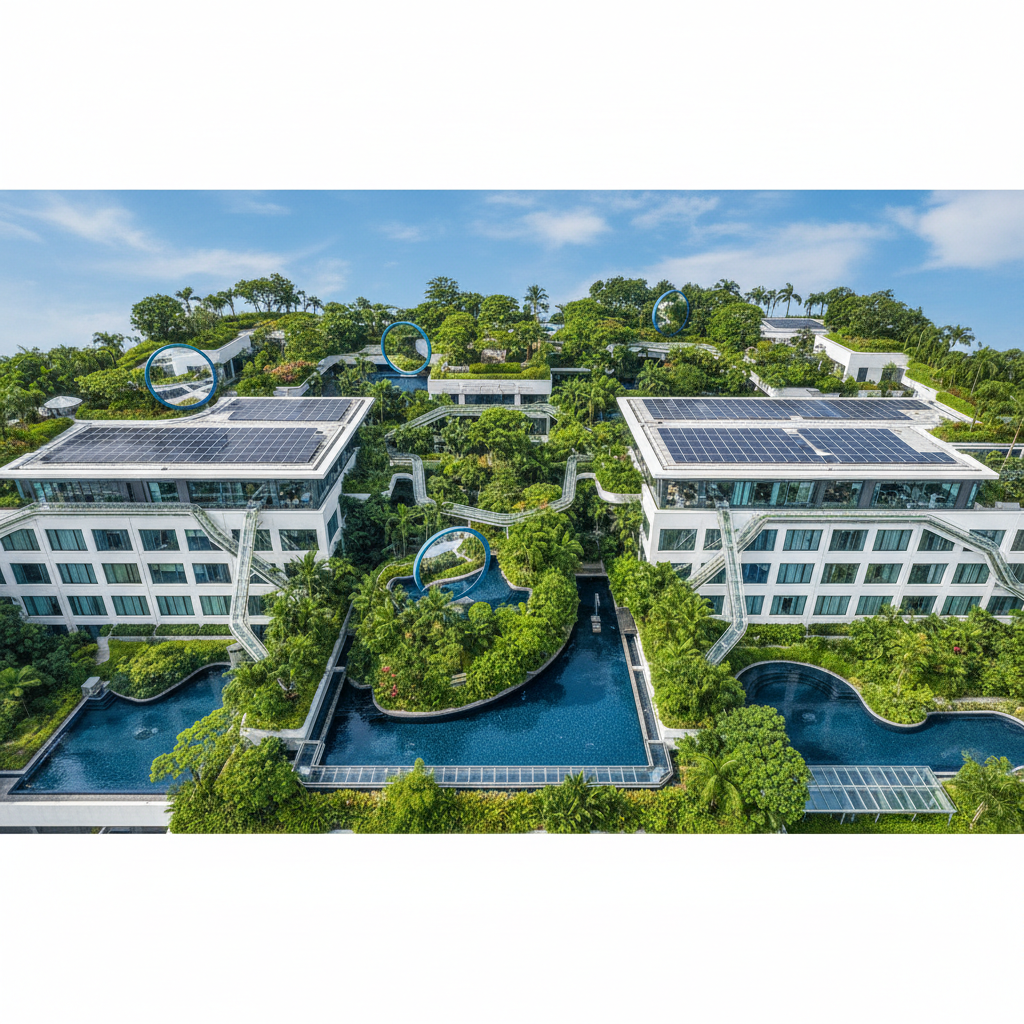
Sustainable accommodation choices mean selecting hotels and serviced apartments that adhere to recognized environmental and social standards. This includes properties that use renewable energy, implement water conservation programs, manage waste responsibly, and have fair labor practices. Certifications like Green Mark for hotels in Singapore can guide these decisions.
Minimising Waste and Carbon Footprint During Events
Minimising waste and carbon footprint during events necessitates careful planning and execution for corporate gatherings and conferences. This involves choosing venues with strong sustainability policies, opting for digital materials over printed ones, providing recycling facilities, and sourcing local and seasonal food. Each small decision contributes to a reduced overall environmental impact.
Carbon Offsetting Programs
Carbon offsetting programs allow businesses to compensate for unavoidable emissions by investing in projects that reduce greenhouse gases elsewhere. This could include supporting reforestation, renewable energy projects, or energy efficiency initiatives. While not a substitute for emission reduction, offsetting plays a role in achieving net-zero targets. In Singapore, options might include contributing to local tree planting efforts or international certified projects.
Key Insight: A truly sustainable corporate travel program goes beyond individual actions, requiring a systemic approach that leverages technology and partnerships, especially with transport providers committed to green initiatives.
SG Maxi Limo's Contribution to Sustainability
SG Maxi Limo actively contributes to corporate travel sustainability by implementing practices that prioritize efficiency and lower environmental impact within its fleet operations. As a premium transport provider in Singapore, their commitment extends to vehicle selection, route management, and upholding high operational standards. This aligns with modern corporations' desire for green initiatives Singapore.
Investing in Fuel-Efficient and Lower-Emission Vehicles
Investing in fuel-efficient and lower-emission vehicles is a cornerstone of SG Maxi Limo's sustainability strategy. The company continuously reviews its fleet to incorporate models that offer superior fuel economy and meet stringent emission standards. While fully electric options like the Tesla Model 3 are available for select services, the majority of their current fleet comprises modern, well-maintained vehicles such as Mercedes-Benz E-Class, Toyota Alphard, and Toyota Vellfire, chosen for their balance of comfort, reliability, and relatively efficient engines for their class.
| Vehicle Type | Typical Capacity | Fuel Type | Emission Profile (General) | Notes |
|---|---|---|---|---|
| 7-Seater Maxicab | 7 passengers | Petrol | Moderate | A versatile option for small groups. |
| 13-Seater Minibus | 13 passengers | Diesel | Moderate | Efficient for larger group transfers. |
| 4-Seater Limousine | 4 passengers | Petrol | Moderate | Executive travel, often premium models. |
| VIP Alphard/Vellfire | 6 passengers | Petrol/Hybrid | Moderate/Lower | Luxury segment, hybrid variants increasingly popular. |
| Tesla Model 3 | 3 passengers | Electric | Zero (tailpipe) | Premium, fully electric option for eco-conscious clients. |
Efficient Route Planning and Fleet Management
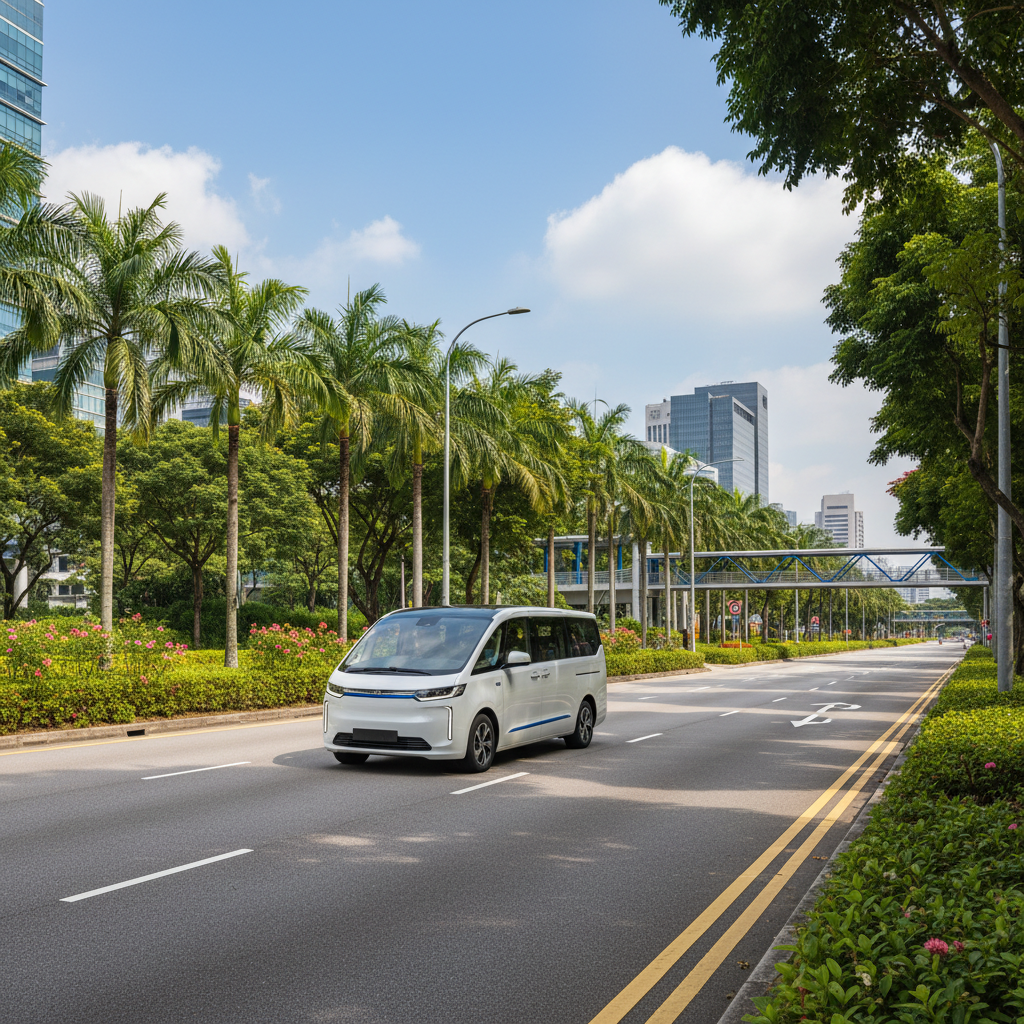
Efficient route planning and fleet management are critical mechanisms employed by SG Maxi Limo to reduce its carbon footprint reduction efforts. Utilizing advanced GPS and scheduling software, drivers are directed along optimal routes to minimize travel distance and avoid congestion. This not only saves fuel but also ensures timely arrivals and reduces engine idling, directly impacting emissions. The company also monitors vehicle performance to ensure optimal maintenance, which is vital for engine efficiency.
Commitment to Professional and Safe Operations
A commitment to professional and safe operations indirectly supports sustainability by maximizing asset longevity and minimizing waste. Well-maintained vehicles are more fuel-efficient and less prone to breakdowns, reducing the need for premature replacements and the associated environmental cost of manufacturing new vehicles. SG Maxi Limo's focus on driver training also promotes eco-driving techniques, such as smooth acceleration and braking, which conserve fuel and enhance passenger comfort. This holistic approach ensures their services are not only reliable but also mindful of their environmental footprint.

Measuring and Reporting on Sustainability Efforts
Measuring and reporting on sustainability efforts provides accountability and transparency for corporate travel programs. This involves tracking key performance indicators (KPIs) related to environmental impact, such as carbon emissions per kilometre or per passenger, fuel consumption, and waste generated. Companies can use data from service providers like SG Maxi Limo, which can report on fleet efficiency and green vehicle usage. Regular reporting, often integrated into annual CSR reports or sustainability dashboards, helps assess progress, identify areas for improvement, and communicate successes to stakeholders. This data-driven approach is essential for demonstrating genuine commitment to sustainability and for identifying further green initiatives Singapore.
Frequently Asked Questions
What does "net-zero by 2050" mean for Singapore businesses?
"Net-zero by 2050" means Singapore aims to eliminate or offset all greenhouse gas emissions by the year 2050. For businesses, this translates into a strong imperative to decarbonize operations, including corporate travel, by adopting sustainable practices, investing in green technologies, and potentially utilizing carbon offsetting.
How can a small business in Singapore start its sustainable travel journey?
A small business can begin its sustainable travel journey by encouraging public transport use, choosing local and responsible vendors for travel needs, and opting for services like those offered by SG Maxi Limo that prioritize fuel-efficient vehicles. Even small steps, like virtual meetings, can significantly reduce travel emissions.
Are electric vehicles truly more sustainable than petrol cars?
Yes, electric vehicles (EVs) are generally more sustainable than petrol cars over their lifecycle, particularly concerning tailpipe emissions. While EV manufacturing has an initial carbon footprint, it is typically offset by zero emissions during operation and the increasing use of renewable energy for electricity generation.
What are some common challenges in implementing sustainable corporate travel?
Common challenges include the perceived higher cost of sustainable options, limited availability of green alternatives in certain regions, logistical complexities in coordinating eco-friendly travel, and difficulty in accurately measuring and reporting impacts. Employee buy-in and organizational culture shifts are also crucial for success.
How does SG Maxi Limo ensure driver professionalism and safety?
SG Maxi Limo ensures driver professionalism and safety through stringent hiring processes, continuous training programs that cover defensive driving and customer service, and regular vehicle maintenance checks. Drivers are also briefed on optimal routing and eco-driving techniques to enhance both safety and efficiency.
Conclusion
Embracing corporate travel sustainability is no longer an optional extra but a strategic imperative for businesses operating in Singapore's evolving landscape. By prioritizing eco-friendly transport, sustainable accommodation, and responsible event practices, companies can significantly reduce their environmental footprint and contribute to the nation's ambitious climate goals. Partners like SG Maxi Limo are crucial in this transition, offering services that align with these greener objectives through fuel-efficient fleets and optimized operations. This commitment not only showcases corporate responsibility but also enhances brand reputation, attracts talent, and ensures compliance with growing stakeholder expectations.