Seamless Flow: Expert Event Traffic Management in Singapore
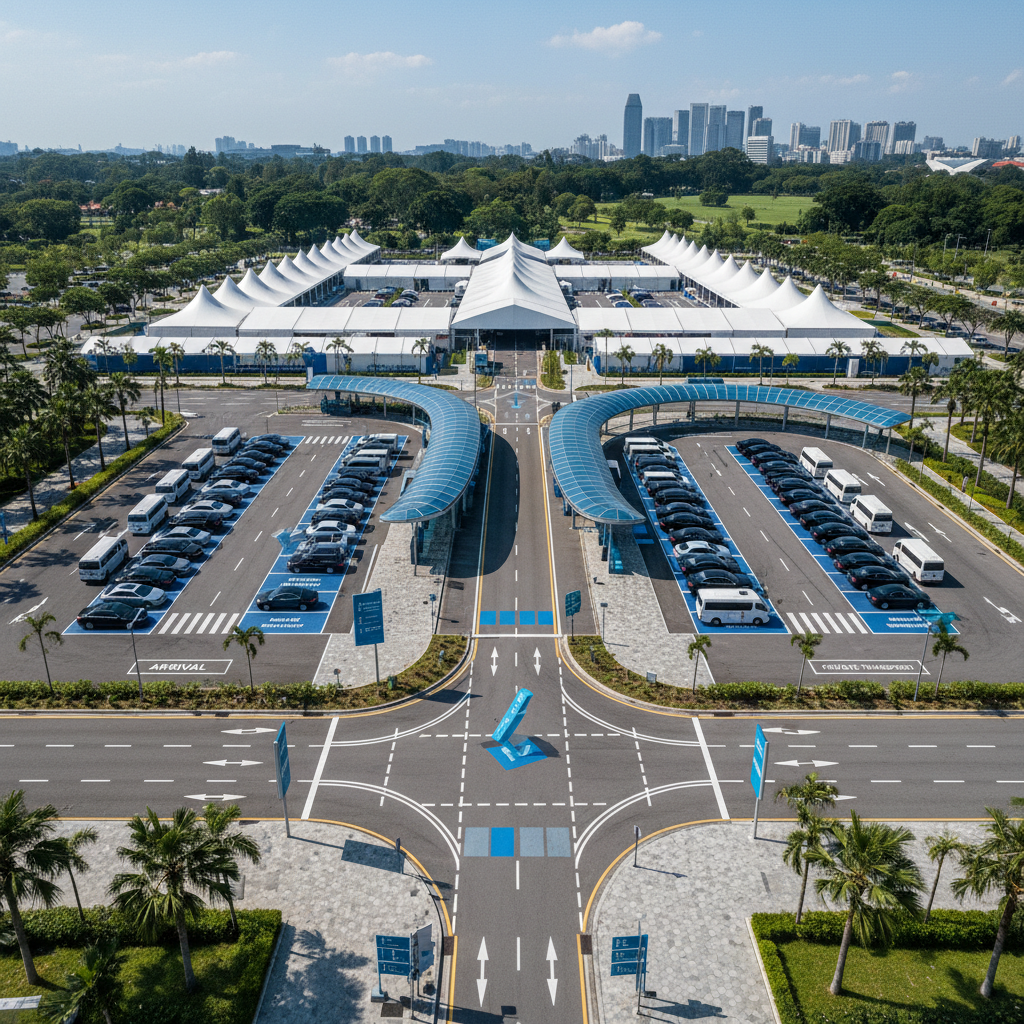
Event traffic management in Singapore is crucial for orchestrating seamless and safe movement of people and vehicles at any gathering, from corporate functions to large-scale public events. Effective management ensures smooth operations, minimizes disruptions, and significantly enhances the overall experience for attendees. This intricate process involves careful planning and execution to handle the unique challenges presented by Singapore's urban environment.
Quick Answer:
- Event traffic management is the strategic planning and control of vehicular and pedestrian movement around event venues.
- It aims to enhance safety, efficiency, and the guest experience by minimizing congestion and ensuring smooth access.
- Challenges in Singapore include dense urban areas, diverse venues, and high visitor numbers.
- Key components involve pre-event planning, traffic flow analysis, signage, marshals, and robust parking solutions.
- Professional transport partners like SG Maxi Limo provide essential services, from shuttle transfers to VIP transport, to ensure flawless execution.
Table of Contents
- Understanding Event Traffic Management
- Definition and Importance
- Key Objectives: Safety, Efficiency, Guest Experience
- Challenges of Traffic Management at Singaporean Events
- Dense Urban Environment
- Diverse Venues
- Large Visitor Numbers
- Key Components of Effective Event Traffic Management
- Pre-Event Planning and Risk Assessment
- Traffic Flow Analysis and Route Optimisation
- Deployment of Signage and Marshals
- Parking Solutions and Drop-off Zones
- The Crucial Role of Transportation Partners
- SG Maxi Limo's Comprehensive Event Transport Solutions
- Shuttle Services and Group Transfers (Maxicabs, Minibuses)
- VIP Guest Pick-up and Drop-off
- Customised Itineraries for Corporate Roadshows
- Liaison with Event Organisers for Seamless Integration
- Benefits: Reduced Congestion, Enhanced Guest Experience, Punctuality
- Case Studies: Successful Event Transport Examples
- Leveraging Technology for Traffic Management
- Frequently Asked Questions
- Conclusion
Understanding Event Traffic Management
Event traffic management is the strategic planning, coordination, and control of all vehicular and pedestrian movement associated with an event. This encompasses the flow of attendees, VIPs, staff, and deliveries to, from, and within the event vicinity. Its primary goal is to create a safe, efficient, and pleasant environment for everyone involved.
Definition and Importance
Event traffic management is defined as the discipline of applying systematic management techniques to ensure the safety, efficiency, and orderly flow of traffic during an event. It is important because poorly managed traffic can lead to severe congestion, safety hazards, negative guest experiences, and logistical nightmares. In a compact city-state like Singapore, efficient traffic management is not merely an advantage but a necessity.
Key Objectives: Safety, Efficiency, Guest Experience
The core objectives of effective event traffic management are multi-faceted. Firstly, safety is paramount, ensuring that all pedestrian and vehicular movements occur without incident, protecting attendees and staff. Secondly, efficiency aims to minimize delays, reduce congestion, and optimize travel times, making access to and from the event smooth. Finally, an enhanced guest experience is achieved when attendees can arrive and depart with ease, without the stress of navigating traffic or searching for parking.
Challenges of Traffic Management at Singaporean Events
Managing traffic for events in Singapore presents unique challenges due to the city's characteristics. Event organisers must navigate these specific factors to implement successful event traffic management plans.
Dense Urban Environment
Singapore's dense urban environment means that event venues are often located in busy areas with existing traffic. This high baseline traffic volume complicates event-specific diversions and access routes. According to the Land Transport Authority (LTA), Singapore manages over 1 million vehicles within its road network daily, necessitating careful integration of event traffic.
Diverse Venues
Events in Singapore are held in a diverse array of venues, from the Singapore Expo and Marina Bay Sands to Gardens by the Bay and F1 street circuits. Each venue type presents different logistical considerations, such as limited access roads for Sentosa-based events or the complex pedestrian flows around the Civic District. Outdoor events, for instance, may require temporary road closures and extensive signage, while indoor venues might focus more on drop-off points and parking arrangements.
Large Visitor Numbers
Singapore is a popular destination for both business and leisure events, often attracting large visitor numbers. Major events like the Singapore Airshow or the Formula 1 Grand Prix can draw hundreds of thousands of attendees, overwhelming existing infrastructure if not managed meticulously. The sheer volume of people and vehicles demands robust planning and scalable solutions for crowd management events.
Key Insight: Singapore's commitment to Smart Nation initiatives means real-time traffic data and predictive analytics are increasingly available, offering powerful tools for proactive event traffic management to mitigate the effects of dense urban areas and large crowd movements.
Key Components of Effective Event Traffic Management
Effective event traffic management relies on several interconnected components, all working in harmony to ensure a smooth operation. Each element addresses a specific aspect of the logistical challenge.
Pre-Event Planning and Risk Assessment
Comprehensive pre-event planning is the foundation of successful traffic management. This involves detailed site surveys, assessing existing traffic patterns, and forecasting event-specific traffic volume. Risk assessment identifies potential bottlenecks, accident hotspots, and areas requiring special attention, such as pedestrian crossings or emergency vehicle access. This phase often includes liaison with the LTA and relevant local authorities to secure necessary permits and coordinate road closures.
Traffic Flow Analysis and Route Optimisation
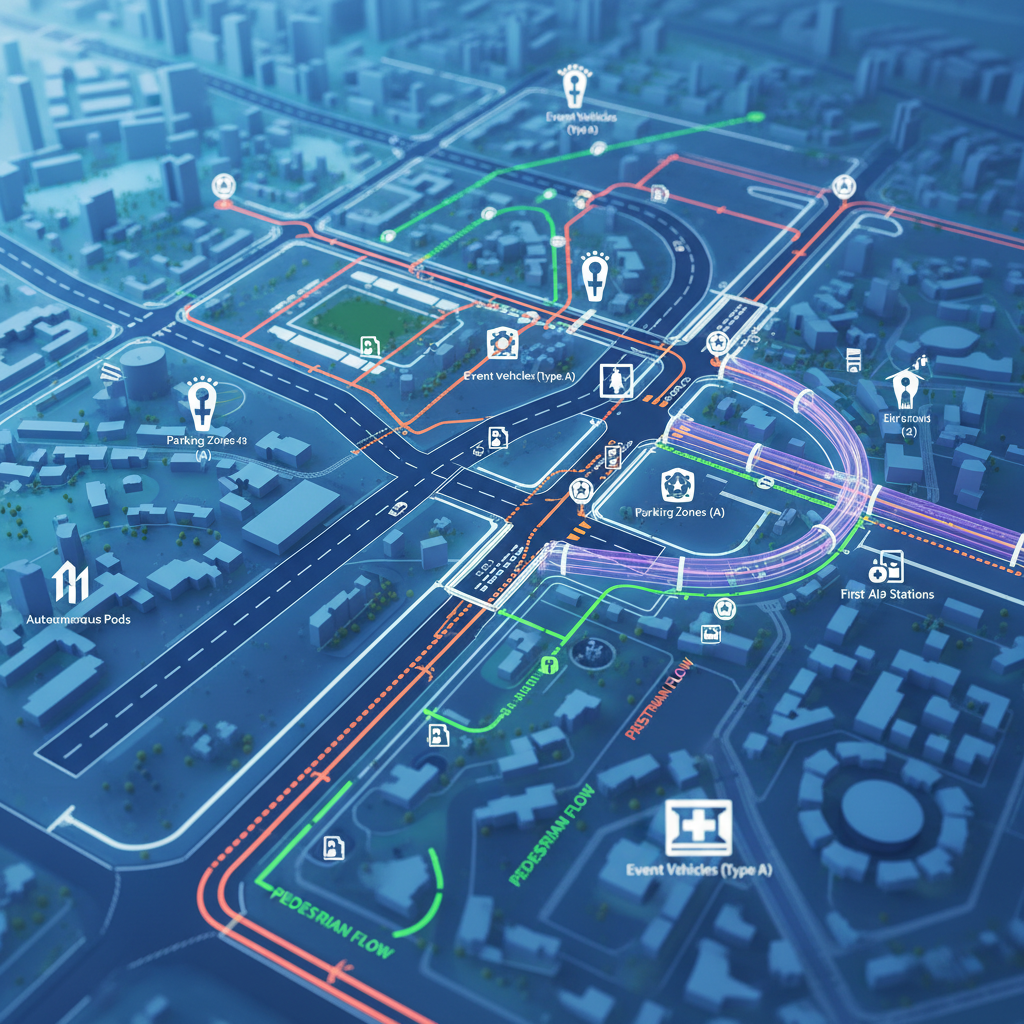
Traffic flow analysis uses data and simulations to predict how vehicles and pedestrians will move through the event area. Based on this analysis, route optimisation is implemented to design the most efficient pathways. This includes designating ingress and egress routes, one-way systems, and alternative routes to redirect traffic away from congested areas. The goal is to minimize queuing and prevent bottlenecks.
Deployment of Signage and Marshals
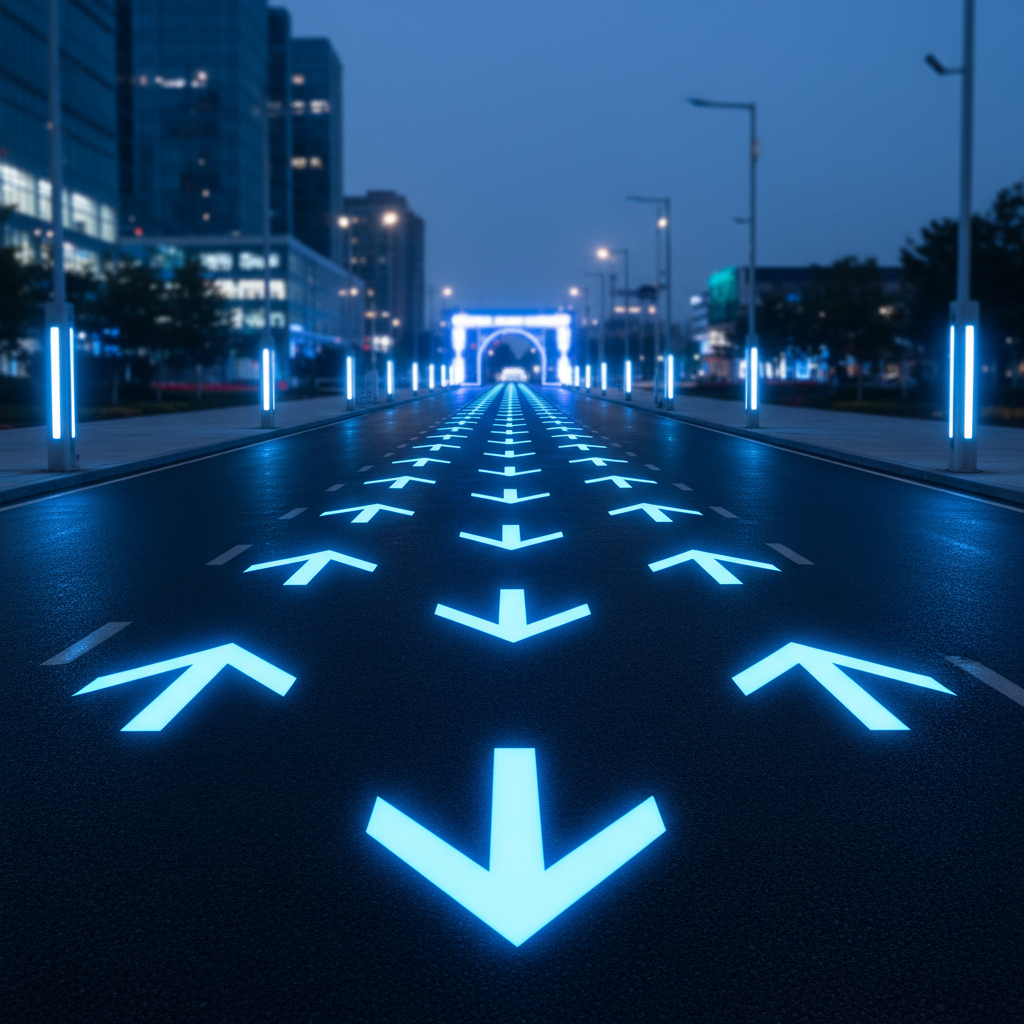
Clear and concise visible signals are essential. This includes the deployment of signage that guides drivers and pedestrians to designated drop-off points, parking areas, and event entrances. Digital signage can provide real-time updates on parking availability or traffic conditions. Furthermore, trained marshals play a critical role in directing traffic, assisting attendees, enforcing rules, and responding to immediate issues, acting as the human element in crowd management events.
Parking Solutions and Drop-off Zones
Adequate parking solutions are vital for events with high vehicular attendance. This includes identifying available public and private parking facilities, arranging shuttle services from remote parking, and coordinating with car park operators. Clearly marked drop-off zones for taxis, ride-hailing services, and private vehicles are crucial for preventing roadside congestion and ensuring attendee safety. For large-scale events, venue access planning must include secure and efficient zones for VIP and media vehicles.
| Component | Description | Impact on Event |
|---|---|---|
| Pre-Event Planning | Site surveys, risk identification, liaison with authorities. | Prevents unforeseen issues, ensures compliance. |
| Traffic Flow Analysis | Predicting movement patterns, designing efficient routes. | Reduces congestion, speeds up access. |
| Signage & Marshals | Clear directions, real-time updates, human guidance. | Enhances flow, reduces confusion, ensures safety. |
| Parking & Drop-off Zones | Allocated parking, dedicated drop-off/pick-up points, shuttle integration. | Minimizes roadside chaos, improves guest arrival/departure. |
The Crucial Role of Transportation Partners
Professional transportation partners are indispensable in executing a robust event traffic management plan. They offer specialized vehicles and experienced personnel to handle the complexities of moving attendees, VIPs, and equipment efficiently.
SG Maxi Limo's Comprehensive Event Transport Solutions
SG Maxi Limo provides comprehensive event transport planning and execution services, catering specifically to the nuanced requirements of events in Singapore. Their diverse fleet and experienced team ensure a smooth and reliable transport experience.
Shuttle Services and Group Transfers (Maxicabs, Minibuses)
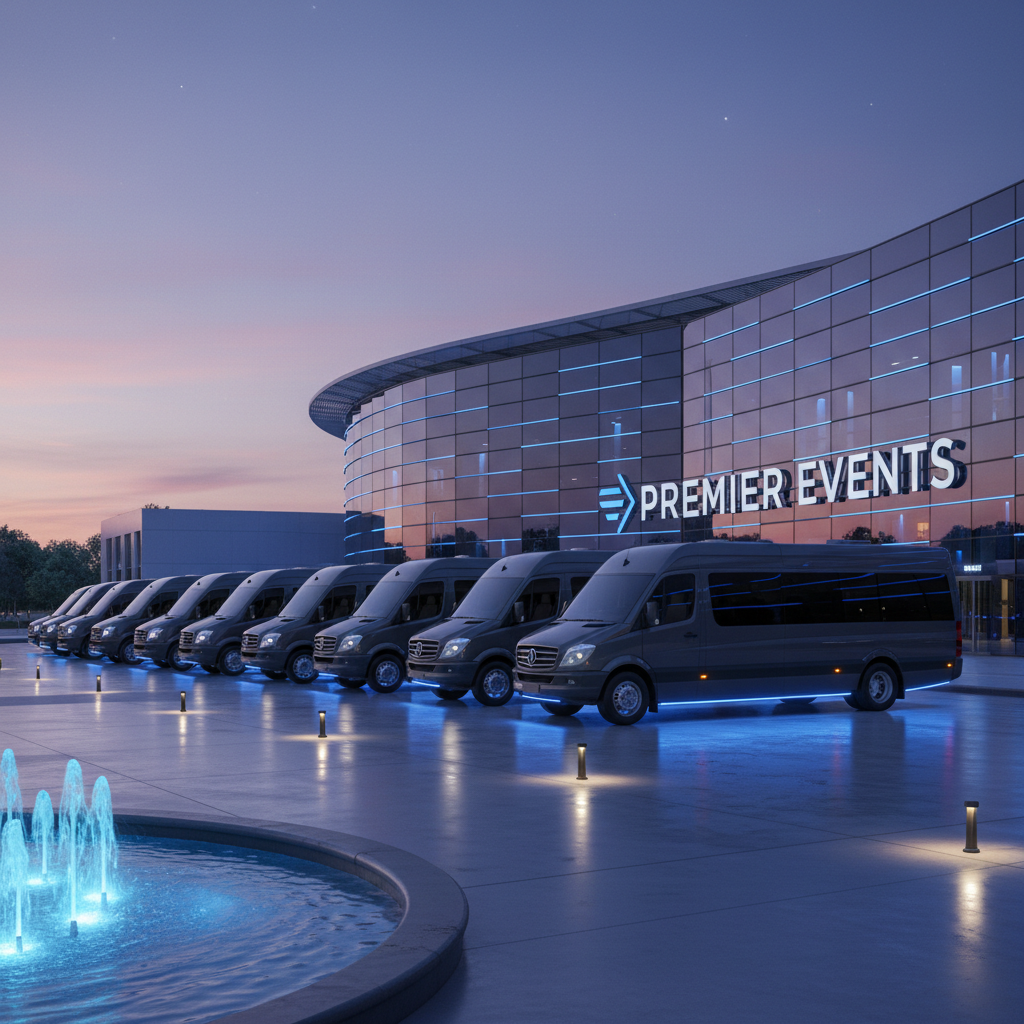
Shuttle services in Singapore are a cornerstone of efficient event traffic management, especially for events with dispersed parking or multiple locations. SG Maxi Limo offers comfortable 7-seater maxicabs and 13-seater minibuses for group transfers, effectively moving large numbers of attendees between designated points like MRT stations, car parks, or satellite venues. This significantly reduces the individual car count at the event site.
VIP Guest Pick-up and Drop-off
For corporate event logistics and high-profile functions, discreet and reliable VIP guest pick-up and drop-off services are paramount. SG Maxi Limo deploys premium vehicles like the Alphard and Vellfire, complete with professional chauffeurs, ensuring prompt, comfortable, and private transport for VIPs, speakers, and executives. This dedicated service reflects positively on the event's overall organisation.
Customised Itineraries for Corporate Roadshows
Corporate roadshows often involve complex multi-stop itineraries across Singapore. SG Maxi Limo specializes in creating customised itineraries, providing seamless transportation that adheres strictly to tight schedules. Their familiarity with local traffic patterns allows for efficient route planning, ensuring participants arrive at each destination on time. This eliminates logistical stress for corporate clients focused on their agenda.
Liaison with Event Organisers for Seamless Integration
A key aspect of SG Maxi Limo's service is their proactive liaison with event organisers. This involves understanding the event's specific requirements, integrating transport plans with overall event traffic management strategies, and providing real-time communication. This collaborative approach ensures that transport services are not just an add-on but a fully integrated and indispensable part of the event's success.
Benefits: Reduced Congestion, Enhanced Guest Experience, Punctuality
Engaging a professional transport partner like SG Maxi Limo brings significant benefits. It leads to reduced congestion around the event venue by consolidating individual car movements into efficient group transfers. This directly contributes to an enhanced guest experience, as attendees avoid the frustration of traffic and parking. Ultimately, professional transport ensures punctuality, a critical factor for maintaining event schedules and upholding the professional image of any corporate event logistics.
Key Insight: Outsourcing event transport to specialists like SG Maxi Limo frees up event organisers to focus on their core event content, knowing that the complex logistical aspects of moving people are in capable hands. This delegation mitigates risk and optimizes resource allocation.
Case Studies: Successful Event Transport Examples
Consider the annual Singapore FinTech Festival, which attracts tens of thousands of attendees. Effective event traffic management is crucial here. Shuttle services from key MRT stations to the Singapore Expo, coupled with dedicated taxi stands and express drop-off zones, prevent gridlock. Collaboration with transport providers ensures a constant flow of vehicles, demonstrating successful crowd management events for a diverse international audience.
Another example is a large-scale corporate event hosted at Marina Bay Sands. Here, corporate event logistics involved VIPs arriving from Changi Airport, requiring premium limousine services. Concurrently, hundreds of employees were shuttled from their offices across the island using a pre-booked fleet of minibuses. This multi-tiered approach, meticulously planned with a transport partner, ensured that all guests arrived punctually and comfortably, reflecting the corporate image. These examples highlight how precise event transport planning is essential for any event's success.
Leveraging Technology for Traffic Management
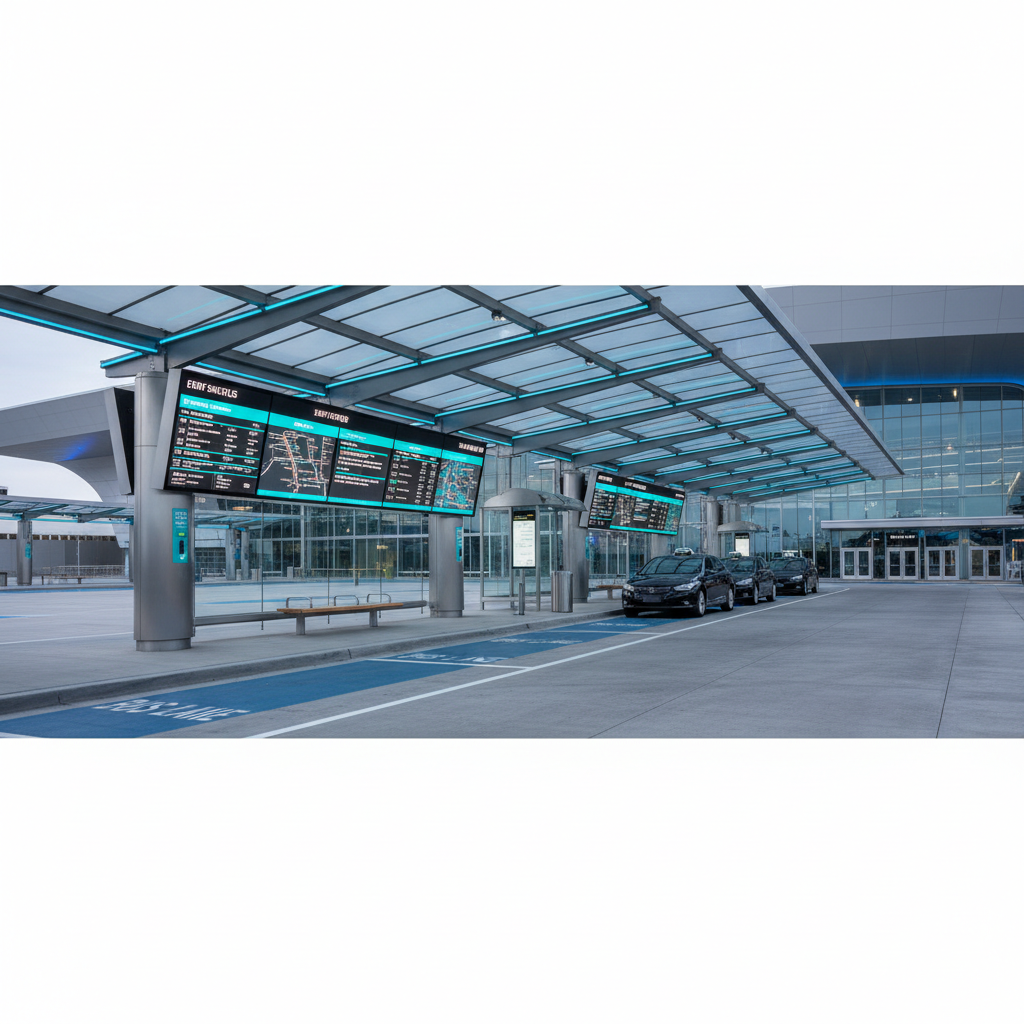
Technology plays an increasingly vital role in modern event traffic management, offering tools to enhance efficiency and responsiveness. GPS tracking and real-time fleet management systems allow transport providers to monitor vehicle locations and adjust routes dynamically, responding to unforeseen traffic changes. Mobile applications provide attendees with real-time updates on shuttle bus timings and routes, reducing uncertainty and wait times. Furthermore, CCTV footage and AI-powered analytics can monitor pedestrian flow and identify potential congestion points before they escalate, enabling proactive intervention by marshals. This integration of tech solutions makes event transport planning more adaptive and resilient.
Frequently Asked Questions
What is the primary purpose of event traffic management?
The primary purpose of event traffic management is to ensure the safe, efficient, and orderly movement of people and vehicles to, from, and around an event venue. This minimizes congestion, enhances safety, and improves the overall experience for all attendees.
How do dense urban environments like Singapore affect event transport planning?
Dense urban environments in Singapore complicate event transport planning by introducing existing high traffic volumes, limited road space, and complex public transport networks. This necessitates careful route planning, coordination with authorities, and the use of efficient shuttle services.
What role do marshals play in event traffic management?
Marshals are crucial in event traffic management as they direct traffic, assist pedestrians, manage queues, and provide on-the-ground support. They enforce traffic rules, respond to incidents, and generally help maintain an orderly flow.
What are maxicabs and minibuses used for in event transport?
Maxicabs (7-seater) and minibuses (13-seater) are primarily used for shuttle services in Singapore and group transfers at events. They efficiently move larger groups of attendees between parking lots, MRT stations, hotels, and the event venue, reducing the number of individual vehicles.
How does event transport planning contribute to corporate event logistics?
Event transport planning is a critical component of corporate event logistics by ensuring timely and comfortable travel for executives, speakers, and attendees. It enhances the professional image of the event, reduces attendee stress, and supports tight corporate schedules, especially for roadshows or multi-day conferences.
Why is pre-event planning important for traffic management?
Pre-event planning is vital for event traffic management because it allows organisers to assess the venue, identify potential traffic challenges, develop detailed routes, coordinate with relevant authorities, and conduct risk assessments. This proactive approach prevents last-minute issues and ensures a smoother operation.
Conclusion
Effective event traffic management is a critical cornerstone for the success of any event in Singapore. From corporate gatherings to large public festivals, meticulous planning and execution in handling vehicular and pedestrian flow are paramount for ensuring safety, efficiency, and a positive attendee experience. The unique challenges of Singapore's urban landscape emphasize the need for robust strategies, including detailed pre-event preparation, smart route optimization, and the strategic deployment of signage and marshals. Engaging a professional and reliable transport partner like SG Maxi Limo provides an invaluable advantage. Their comprehensive services, from shuttle and group transfers using maxicabs and minibuses to premium VIP transport and customised itineries for corporate roadshows, seamlessly integrate with broader event transport planning. By leveraging expertise and dedicated fleets, event organisers can alleviate logistical burdens, reduce congestion, and ensure that every attendee arrives and departs punctually and comfortably, contributing to the overall success and reputation of their event.